
News
U.S. Citizenship No Longer Guaranteed Forever? Trump’s DOJ Launches Largest Denaturalization Push in American History
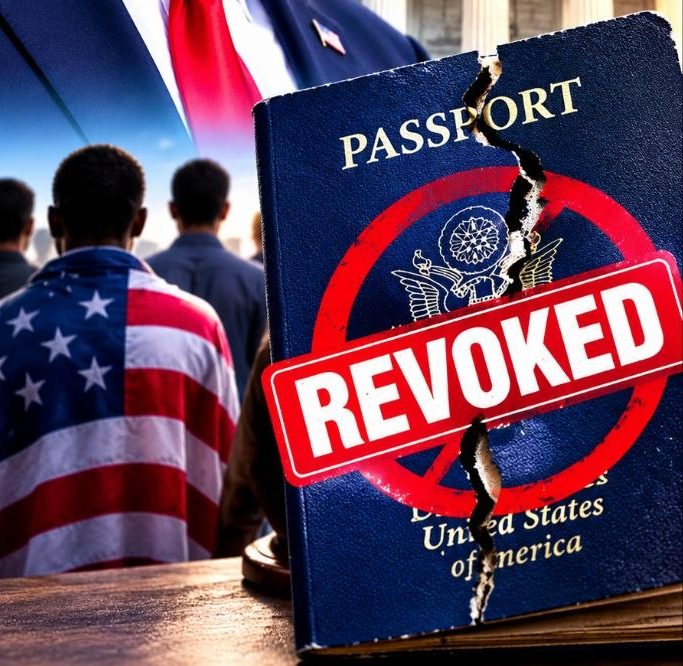
The Trump administration has dramatically expanded efforts to revoke the U.S. citizenship of naturalized Americans, with the Justice Department saying this is “only the beginning.”
So far, the DOJ has asked courts to strip 123 naturalized Americans of their citizenship since President Trump returned to office, the highest number ever recorded.
The latest batch includes 25 cases, making it the largest coordinated denaturalization effort in Justice Department history. Prosecutors allege offenses ranging from attempted murder and child sexual abuse to marriage fraud, passport fraud, and credit card fraud. These are allegations, and the courts have not yet determined the outcome of these cases.
The numbers are striking:
• From 1990 to 2017, the U.S. government averaged about 11 denaturalization cases per year.
• During the Biden administration, that average fell to around four cases annually.
• Under the current administration, officials have instructed USCIS to identify 100 to 200 potential cases every month.
• By April, 384 people had already been flagged for possible citizenship revocation, with a goal of filing at least 250 cases by the end of September.
One key issue drawing attention is that civil denaturalization has no statute of limitations. That means the government can challenge someone’s citizenship yearsor even decadesafter they became an American citizen. Because these are civil proceedings, defendants are generally not entitled to a court-appointed lawyer if they cannot afford one.
Supporters argue that citizenship obtained through fraud should be revoked to protect the integrity of the immigration system.
Critics, however, warn that expanding denaturalization powers could have far-reaching consequences. As law professor Cassandra Robertson put it:
“Once it becomes easy to take somebody’s citizenship away, it becomes easy to take anybody’s citizenship away.”
The debate is growing, and this policy is likely to remain one of the most closely watched immigration issues in the United States.
What do you think? Should the government aggressively revoke citizenship in proven fraud cases, or are you concerned about how these powers could be used in the future?
Share your thoughts in the comments.